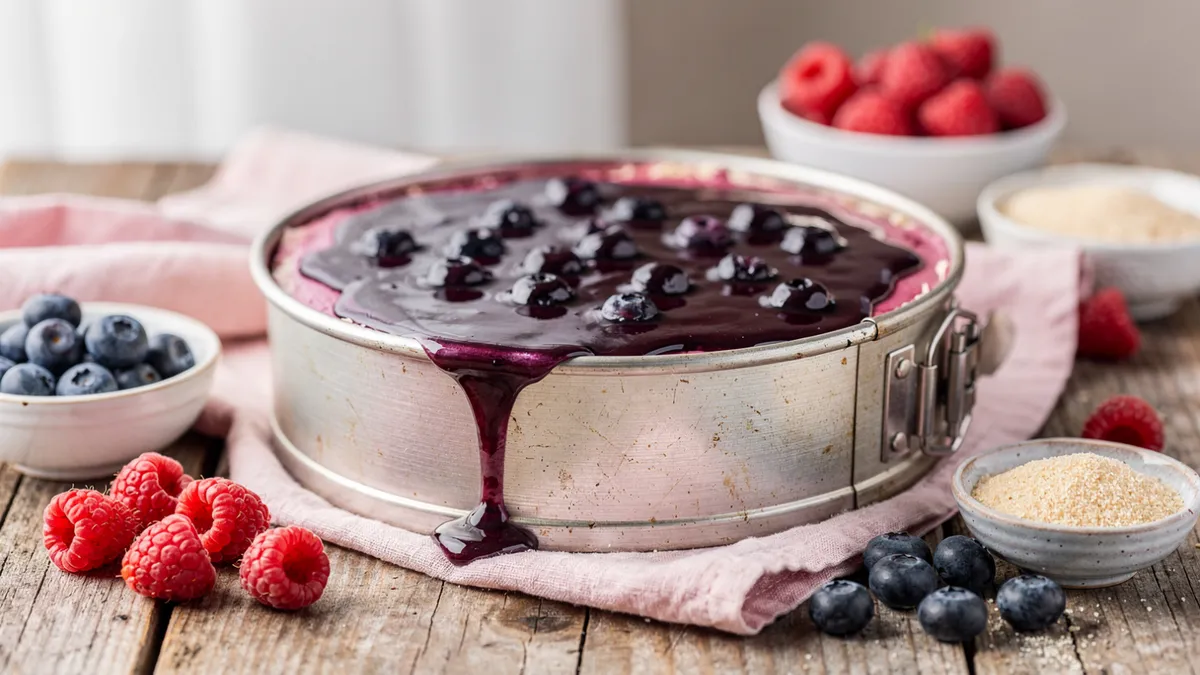
Healthy Cheesecake Dessert Recipe (Cellular Healing Friendly)
This healthy cheesecake dessert recipe is a rich, nourishing way to enjoy a classic favorite while still supporting your body at the cellular level.
When you’re focused on healing, your food choices matter. But that doesn’t mean you have to eliminate the foods you love. It means learning how to prepare them in a way that supports your body instead of working against it.
This cheesecake is designed to do exactly that.
It combines clean ingredients, balanced fats, and low-toxin sweeteners to create a dessert that aligns with a cellular healing lifestyle.
Why Choose a Healthy Cheesecake Dessert?
Traditional cheesecake often includes:
Refined sugar
Processed ingredients
Artificial additives
These can:
Spike blood sugar
Increase inflammation
Disrupt gut health
Slow detox pathways
A healthy cheesecake dessert replaces those with ingredients that support your body’s natural processes.
The Cellular Healing Approach to Desserts
Healing begins at the cellular level. Every bite of food either supports:
Detoxification
Energy production
Hormonal balance
Or it adds stress to those systems.
This recipe is designed to:
Provide nourishing fats
Reduce toxic load
Support stable energy
It’s about alignment, not restriction.
Key Ingredients That Support Healing
Organic Cream Cheese
Cream cheese provides:
Healthy fats
Support for cellular structure
Energy for mitochondrial function
When sourced cleanly, it can be part of a nourishing, balanced diet.
Organic Sour Cream
Sour cream contributes:
Beneficial fats
Creamy texture
Support for satiety
It helps make this dessert both satisfying and supportive.
Eggs
Eggs are a powerful whole food that provides:
High-quality protein
Essential nutrients
Support for tissue repair
They also help create structure and consistency in the cheesecake.
Raspberries and Blueberries
These berries are rich in antioxidants and support:
Reduced inflammation
Cellular protection
Detox pathways
They also add natural flavor and brightness to the dessert.
Stevia and Xylitol
These natural sweeteners help:
Reduce blood sugar spikes
Support metabolic balance
Limit the effects of refined sugar
They allow you to enjoy sweetness without overwhelming your system.
Healthy Cheesecake Dessert Recipe
Cheesecake Ingredients
4 (8 oz) organic cream cheese, softened
1 cup organic sour cream
4 farm fresh eggs, beaten
1 tablespoon stevia (Stevita brand)
¾ cup xylitol
1 tablespoon vanilla
10 oz frozen organic raspberries (optional)
Optional Blueberry Sauce
1 pint blueberries (lightly wet from washing)
¼ cup xylitol
½ teaspoon stevia (Stevita brand)
1 tablespoon arrowroot powder
½ teaspoon lemon juice
Instructions
Blueberry Sauce (Optional)
Combine all ingredients in a small saucepan.
Heat gently until the mixture thickens.
Remove from heat and allow to cool.
Cheesecake Preparation
Preheat oven to 350°F.
Beat the cream cheese until smooth.
Add sour cream, eggs, stevia, xylitol, vanilla, and raspberries (if using). Mix until fully combined.
Optional Crust
Wrap foil around the bottom of a 10-inch springform pan.
Butter the bottom and sprinkle with ground walnuts or pecans.
Baking
Pour the cheesecake mixture into the prepared pan.
Place the pan into a larger oven-safe dish.
Add hot water to the outer dish until it reaches halfway up the sides of the cheesecake pan (water bath method).
Bake for 45–60 minutes, until the center is nearly set.
Cooling
Cool for 15 minutes.
Run a knife around the edges and release the springform pan.
Cool for another 30 minutes.
Remove the pan and refrigerate for at least 4 hours before serving.
Alternative Serving Option
You can make this recipe in small ramekin dishes for individual servings. Simply reduce the baking time accordingly.
How This Recipe Supports Detoxification
Your body detoxifies daily, but processed foods can slow that process.
This healthy cheesecake dessert supports detox by:
Eliminating refined sugar
Using clean, whole ingredients
Reducing overall toxic load
This allows your body’s natural detox systems to function more efficiently.
Blood Sugar Balance and Energy Stability
Traditional desserts often lead to:
Blood sugar spikes
Energy crashes
Increased cravings
This recipe helps maintain balance by combining:
Healthy fats
Lower-glycemic sweeteners
The result is more stable energy and better control over cravings.
Gut Health and Inflammation
Your gut plays a central role in your overall health.
This recipe supports gut health by:
Avoiding inflammatory ingredients
Including whole, nourishing foods
Supporting digestion and balance
A healthy gut is essential for long-term healing.
Nervous System Support Through Nourishment
Healing requires a regulated nervous system.
When your body feels supported, it can:
Digest more effectively
Detox more efficiently
Repair at a deeper level
Enjoying a nourishing dessert like this can support that balance.
Making Desserts Part of a Healing Lifestyle
You don’t have to eliminate desserts to heal.
You just need to approach them differently.
This healthy cheesecake dessert recipe allows you to:
Enjoy a rich, satisfying treat
Stay aligned with your health goals
Support your body at the same time
Tips for Best Results
Use high-quality, organic ingredients
Avoid overbaking to maintain a creamy texture
Always refrigerate for proper consistency
Optional enhancements:
Add lemon zest for brightness
Top with fresh berries for added nutrients
When to Enjoy This Cheesecake
This dessert is perfect for:
Special occasions
A nourishing treat
A supportive option during a structured healing plan
It delivers both enjoyment and function.
The Bigger Picture: Healing at the Cellular Level
Every ingredient you choose sends a signal to your body.
You’re either:
Supporting healing
Or adding stress
This recipe reflects a simple truth:
Your body was designed to heal when given the right inputs.
This healthy cheesecake dessert shows that you can enjoy rich, satisfying foods while still supporting your health.
With clean ingredients and a cellular-focused approach, even a classic dessert can become part of your healing journey.
Because true healing isn’t about restriction—it’s about alignment.